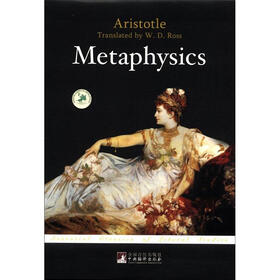
| 形而上学(又称玄学)亦即对世界本体以及人自身存在本质的探寻发轫于上古的“轴心时代”,这种探寻构成了各民族文化的底里。亚里士多德全面系统地整合了古希腊数百年自然哲学与精神哲学的成果,进而提出“存在是什么”的问题,对存在本身进行追问,从而将古希腊哲学提升到纯粹形而上学的层面。亚里士多德由此展开对存在的分类,规定了实体的存在才是真正独立的存在,而其他一切属性的存在乃至一切范畴的存在都因这一实体的存在而得以存在。 亚里士多德的本体论(或称存在论)是他对后世哲学的最大贡献,难怪黑格尔称其为古希腊最多才、最渊博深刻的天才。 |
| ARISTOLE, (384 BC-322 BC) was a Greek philosopher and polymath, a student of Plato and teacher of Alexander the Great. His writings cover many subjects, including physics, metaphysics, poetry, theater, music, logic, rhetoric, linguistics, politics, government, ethics, biology, and zoology. Together with Plato and Socrates (Plato's teacher), Aristotle is one of the most important founding figures in Western philosophy. Aristotle's writings were the first to create a comprehensive system of Western philosophy, encompassing morality and aesthetics, logic and science, politics and metaphysics. |
| BOOK I BOOK II BOOK III BOOK IV BOOK V BOOK VI BOOK VII BOOK VIII BOOK IX BOOK X BOOK XI BOOK XII BOOK XIII BOOK XIV |



 内容加载中,请稍后...



商品评论(0条)