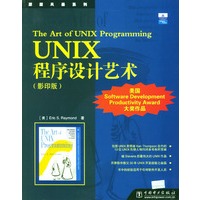
| 美国Software Development Productivity Award大奖作品;包括UNIX发明者Ken Thompson在内的13位UNIX先锋人物均对本书有所贡献;继Stevens后最伟大的UNIX作品;开源软件教父30年UNIX开发经验之结晶;书中的经验适用于任何软件开发人员。“这是一本令人愉快且着迷的读物,其中解决问题的经验适用于在所有操作系统上工作的编程人员。”
|
| Preface I. CONTEXT. 1. Philosophy. Culture? What culture? The durability of Unix. The case against learning Unix culture. What Unix gets wrong. What Unix gets right. Basics of the Unix philosophy. The Unix philosophy in one lesson. Applying the Unix philosophy. Attitude matters too. 2. History. Origins and history of Unix, 1969-1995. Origins and history of the hackers, 1961-1995. The open-source movement: 1998 and onward. The lessons of Unix history. 3. Contrasts. The elements of operating-system style. Operating-system comparisons. What goes around, comes around. II. DESIGN. 4. Modularity. Encapsulation and optimal module size. Compactness and orthogonality. Libraries. Unix and object-oriented languages. Coding for modularity. 5. Textuality. The Importance of Being Textual. Data file metaformats. Application protocol design. Application protocol metaformats. 6. Transparency. Some case studies. Designing for transparency and discoverability. Designing for maintainability. 7. Multiprogramming. Separating complexity control from performance tuning. Taxonomy of Unix IPC methods. Problems and methods to avoid. Process partitioning at the design level. 8. Minilanguages. 9. Transformation. 10. Configuration. 11. Interfaces. 12. Optimization. 13. Complexity. III. IMPLEMENTATION. 14. Languages. 15. Tools. 16. Re-Use. IV. COMMUNITY. 17. Portability. 18. Documentation. 19. Open Source. 20. Futures. A. Glossary of Abbreviations. B. References. C. Contributors. |


 内容加载中,请稍后...




商品评论(0条)