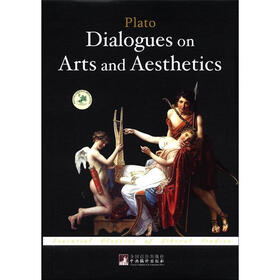
| 在西方,柏拉图一项被称作哲学家中的哲学家。柏拉图散见于各篇对话中有关艺术及美学方面的论述是西方美学和文艺学的重要源头,举凡《理想国》有关艺术功用的探讨;《大希庇阿斯篇》有关美与形式、质料之间的关系的论述;《会宴篇》有关美的本质的对话,并断言美是一种先验的绝对理式,“是永恒的,无始无终的,不生不灭、不增不减的。一切美的事物都以它为源泉,有了它,那一切美的事物才成其为美”,第一次将人类的审美活动上升到哲学层面来考量。凡此种种,都为后世的美学家解决审美体验、美的本质等问题开了无数方便法门。 本书所选各篇均配有英国著名古典学家本·乔伊特撰写的导言,既对占希腊社会生活概貌有生动的介绍,又清晰地勾勒出柏拉图学说的基本构架,十分有益f初学者入门。 |
| PLATO(424/423 BC-348/347 BC), was a Classical Greek philosopher, mathematician, student of Socrates, writer of philosophical dialogues, and founder of the Academy in Athens, the first institution of higher earning in the Western world, just as A.N. Whitehead says: The safest general characterization of the European philosophical tradition is that it consists of a series of footnotes to Plato, I do not mean the systematic scheme of thought which scholars have doubtfully extracted from his writings, I allude to the wealth of general ideas scattered through them. Plato's dialogues have been used to teach a range of subjects, including philosophy, logic, educes, rhetoric, and mathematics. |
| I ION INTRODUCTION ION II REPUBLIC(BOOKII、 BOOKIII、 BOOKX) INTRODUCTION REPUBLIC III PHAEDRUS INTRODUCTION PHAEDRUS IV HIPPIASMAJOR V SYMPOSIUM INTRODUCTION SYMPOSIUM VI PHILEBUS INTRODUCTION AND ANALYSIS PHILEBUS VII LAWS (BOOKII) INTRODUCTION AND ANALYSIS LAWS(BOOK II) |



 内容加载中,请稍后...




商品评论(0条)