
编辑推荐From the Author: 5 Tips for Shooting Concerts
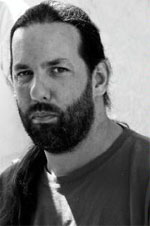
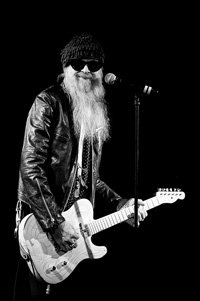
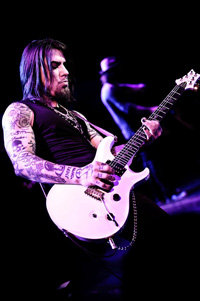
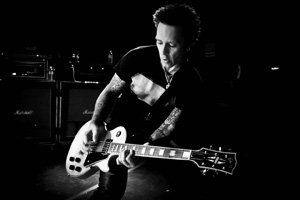
The constant changing lights at a live concert can cause exposure problems that shooting in manual mode can help you overcome. When you use any of the modes other than manual to control the exposure settings on your camera, the cameras built in light meter has control over some of the settings. For example, when you shoot in aperture priority mode, you set the aperture, but the camera reads the light in the scene and sets the shutter speed. When you use shutter speed priority, you set the shutter speed, but the camera reads the light in the scene and sets the aperture. If the light in the background gets brighter all of a sudden then the camera will pick a faster shutter speed or a smaller aperture and can cause the main part of the image to be underexposed. To really get consistent great concert shots, you need to be able to adjust the shutter speed and aperture yourself using the manual mode of the camera. 2. Use the right metering mode. In the previous tip, I suggest that you use the manual mode to take the photos which ignores the metering mode but even though the camera doesn't use the information, it is very useful to get the correct settings to start with. The best metering mode for most concert photographs is the spot metering mode. The spot metering mode ignores most of the scene in front of the camera and instead only uses a very small area usually centered around the focus point. By just reading the light in this small section and not the whole scene means that the moving lights in the background or the lack of light in the background is ignored. 3. Focus carefully. When shooting in low light as is the norm when shooting concerts, you usually have to use the widest aperture available on the lens. This wide aperture means a shallow depth of field and in the cases when you use a prime lens with a maximum aperture of f/1.4 a very shallow depth of field. This means that you have to be very careful what the focus point of the image is. Make sure that you pick the correct spot for the focus point. 4. Timing is everything. With all photography, you need to make sure that you are capturing the subject at the best possible moment. When it comes to concert photography this usually means that you have to wait until the musician is not hidden behind the microphone or turned away from you. Watch for the interactions between the performer and the audience for those moments that make the show special and do your research. If the performer is known for a special look or action, make sure you capture that. 5. Shoot in bursts. With the ability of today's digital cameras to shoot in continuous mode and the large capacity memory cards being relatively inexpensive there is no reason not to shoot in bursts. That is to take 3,4 or even 5 shots in quick succession instead of just one. This allows you to capture the moment with more certainty and even if the lights are changing you can still get the shot. Sample Photos from the Author (Click on images to enlarge)
|


 内容加载中,请稍后...



商品评论(0条)