Paris. The name alone conjures images of chestnut-lined
boulevards, sidewalk cafés, breathtaking fa?ades around every
corner--in short, an exquisite romanticism that has captured the
American imagination for as long as there have been
Americans.
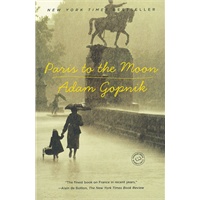
In 1995, Adam Gopnik, his wife, and their infant son left the
familiar comforts and hassles of New York City for the urbane
glamour of the City of Light. Gopnik is a longtime New Yorker
writer, and the magazine has sent its writers to Paris for
decades--but his was above all a personal pilgrimage to the place
that had for so long been the undisputed capital of everything
cultural and beautiful. It was also the opportunity to raise a
child who would know what it was to romp in the Luxembourg Gardens,
to enjoy a croque monsieur in a Left Bank café--a child (and
perhaps a father, too) who would have a grasp of that Parisian
sense of style we Americans find so elusive.
So, in the grand tradition of the American abroad, Gopnik walked
the paths of the Tuileries, enjoyed philosophical discussions at
his local bistro, wrote as violet twilight fell on the
arrondissements. Of course, as readers of Gopnik's beloved and
award-winning "Paris Journals" in The New Yorker know, there was
also the matter of raising a child and carrying on with day-to-day,
not-so-fabled life. Evenings with French intellectuals preceded
middle-of-the-night baby feedings; afternoons were filled with
trips to the Musée d'Orsay and pinball games; weekday leftovers
were eaten while three-star chefs debated a "culinary
crisis."
As Gopnik describes in this funny and tender book, the dual
processes of navigating a foreign city and becoming a parent are
not completely dissimilar journeys--both hold new routines, new
languages, a new set of rules by which everyday life is lived. With
singular wit and insight, Gopnik weaves the magical with the
mundane in a wholly delightful, often hilarious look at what it was
to be an American family man in Paris at the end of the twentieth
century. "We went to Paris for a sentimental reeducation-I did
anyway-even though the sentiments we were instructed in were not
the ones we were expecting to learn, which I believe is why they
call it an education."
|


 内容加载中,请稍后...



商品评论(0条)