In 1964, on the brink of the British Invasion, the music
business in America shunned rock and roll. There was no rock press,
no such thing as artist management -- literally no rock-and-roll
business. Today the industry will gross over $20 billion. How did
this change happen? From the moment Pete Seeger tried to cut the
power at the 1965 Newport Folk Festival debut of Bob Dylan's
electric band, rock's cultural influence and business potential
have been grasped by a rare assortment of ambitious and farsighted
musicians and businessmen. Jon Landau took calls from legendary
producer Jerry Wexler in his Brandeis dorm room and went on to
orchestrate Bruce Springsteen's career. Albert Grossman's cold-eyed
assessment of the financial power at his clients' fingertips made
him the first rock manager to blaze the trail that David Geffen
transformed into a superhighway. Dylan's uncanny ability to keep
his manipulation of the business separate from his art and
reputation prefigured the savvy -- and increasingly cynical --
professionalism of groups like the Eagles. Fred Goodman, a longtime
rock critic and journalist, digs into the contradictions and
ambiguities of a generation that spurned and sought success with
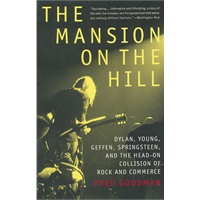
equal fervor. The Mansion on the Hill, named after a song title
used by Hank Williams, Neil Young, and Bruce Springsteen, breaks
new ground in our understanding of the people and forces that have
shaped the music. "From the Hardcover edition."
|





 内容加载中,请稍后...



商品评论(0条)