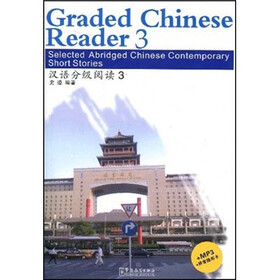
| 1.精心选编中国当代作家的短篇小说,反映中国当代普通人生活;2.全书汉语词汇量控制在1000个,参照《中国汉语水平考试(HSK)大纲》的基本词汇,从甲级1033个词中选出大约870个常用词汇,在此基础上根据《汉语分级阅读3(注音版)》的内容补充了约130个常用词汇,书后附1000个常用词汇表;3.多用常用词,且常用词复现率高,句子力求简短,结构完整;4.全文标注拼音,难懂词、句子加英文旁注,附中文例句;5.每篇故事有英文“阅读指导”、“作者简介”和中文“思考题”;6.配有插图和MP3格式光盘,并特制“拼音隐形卡”,不需要借助拼音阅读的读者可以用卡将拼音遮盖起来。1.谁生活得更美好(原著张洁)A storyhappened in the 1970s among two youngmen and a beautiful bus conductress.2.《陈奂生上城》(原著高晓声)A farmerwent to the city at the beginning stage of thereform and opening up in the 1980s inChina.3.《夜之随想曲》(原著陈忠实)Twofriends chat a beautiful night away by ariver.As one lives in the country,the otherin the city,the gap.between country andurban life iS revealed.4.《雪窗帘》(原著迟子建)A funny yetbitter story takes place on a train when anold lady from the countryside got on thetrain with her berth ticket.5.《城乡简史》 (原著范小青)A lostaccount book brings about an interestingstory.6.《故乡的雨》(原著程树榛)An overseasChinese invests in the cOnstructiOn of hishometown in China. |
| Shi Ji is an associate professor at Chinese Teaching Center of Southwest Jiaotong University. She has been engaged in teaching Chinese language courses since 1996 including those at Venice University in Italy from November 2004 to November 2006. As an experienced teacher of Chinese as a second language, she has published a dozen articles in this field. |
| Preface 前言 一、谁生活得更美好 二、陈奂生上城 三、夜之随想曲 四、雪窗帘 五、城乡简史 六、故乡的雨 |

 内容加载中,请稍后...




商品评论(0条)