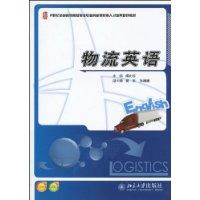
| 编写体例新颖。借鉴优秀教材特别是国外精品教材的写作思路、写作方法,图文并茂、清新活泼。 教学内容更新。充分展示最新最近的知识以及教学改革成果,并且将未来的发展趋势和前沿资料以阅读材料的方式介绍给学生。 知识体系实用有效。着眼于学生就业所需的专业知识和操作技能,着重讲解应用型人才培养所需的内容和关键点,与就业市场结合,与时俱进,让学生学而有用,学而能用。 以学生为本,站在学生的角度思考问题,考虑学生学习的动力。强调锻炼学生的思维能力以及运用知识解决问题的能力。 注重拓展学生的知识面。让学生能在学习到必要知识点的同时也对其他相关知识有所了解。 注置融入人文知识。将人文知识融入理论讲解,提高学生的人文素养。 理论讲解简单实用。理论讲解简单化,注重讲解理论的来源、出处以及用处,不做过多的推导与介绍。 案例式教学。有机融入了最新的实例以及操作性较强的案例,并对实例进行有效的分析,着重培养学生的职业意识和职业能力。 重视实践环节。强化实际操作训练,加深学生对理论知识的理解。习题设计多样化,题型丰富,具备启发性,全方位考查学生对知识的掌握程度。 |
| Chapter 1 Introduction to Logistics Management 1.1 What is Logistics 1.1.1 Brief History of Logistics Emergence 1.1.2 Origins and Definition of Logistics 1.1.3 Recognizing the Boundary of Logistics 1.1.4 Other Types of Logistics 1.2 Mission of Logistics Management 1.2.1 Logistics Management Provide Competitive Advantage 1.2.2 Gaining Competitive Advantage through Logistics 1.2.3 The Mission of Logistics Management 1.3 The Changing Logistics Environment 1.3.1 The Customer Service Explosion 1.3.2 Time Compression 1.3.3 Globalization of Industry 1.3.4 Organizational Integration 1.3.5 The New Rules of Competition 1.4 Building the Logistics Network of the 21st Century 1.4.1 Logistics Network Building with E-business Development Framework 1.4.2 Factors in Optimizing a Logistics Network Chapter 2 Supply Chain Management 2.1 Introduction to Supply Chain Management 2.1.1 Definition of Supply Chain Management 2.1.2 Differences between Logistics and Supply Chain Management 2.1.3 Supply Chain Management Process 2.1.4 Importance of an Effective Supply Chain Management 2.1.5 Supply Chain Management Eras 2.2 Principles of Supply Chain Management 2.3 Methods Concerning Supply Chain Management 2.4 Developing Supply Chain Systems 2.5 Supply Chain Business Process Integration Chapter 3 Procurement and Supplier Management 3.1 The Definition and Role of Procurement 3.1.1 Definition of Procurement 3.1.2 The Strategic Role of Purchasing 3.2 Purchasing Management 3.2.1 Purchasing Research and Planning 3.2.2 Measurement and Evaluation of Purchasing Performance 3.3 Supplier Selection and Evaluation 3.3.1 Importance of Supplier Selection and Evaluation 3.3.2 Procedures of Supplier Evaluation 3.4 Supplier Relationship Management 3.4.1 Definition of Supplier Relationship Management 3.4.2 Types of Relationships 3.4.3 The Partnership Model Chapter 4 Warehousing and Distribution Management 4.1 Introduction to Warehousing and Distribution Operation 4.1.1 Definition of Some Terms in Warehousing and Distribution Operation 4.1.2 Functions of Warehousing and Distribution Operation 4.1.3 Value of Warehousing and Distribution Operation 4.1.4 Objective of Warehousing and Distribution Operation 4.1.5 Trends and Issues of Warehousing and Distribution Operation 4.2 Warehousing and Distribution Operation Facility Activities 4.2.1 Objectives of Warehousing and Distribution Operation Facility Activities 4.2.2 Pre-Order-Pick Activities 4.2.3 Pick (Order-Pick) Activity 4.2.4 Post-Order Pick Activity 4.3 Warehouse and Distribution Facility Layout 4.3.1 Purpose of Warehouse Facility Layout 4.3.2 Objective of Warehouse Facility Layout 4.3.3 Facility Layout Fundamentals 4.3.4 Facility Layout Principles 4.3.5 Facility Layout Philosophies 4.3.6 How to Increase Storage Space Chapter 5 Transportation Management 5.1 Introduction to Transportation 5.1.1 Importance of an Effective Transportation System 5.1.2 Transportation Management as a Source of Competitive Edge for Enterprises 5.2 Modes of Transport 5.2.1 Rail Transport 5.2.2 Road Transport 5.2.3 Water Transport 5.2.4 Air Transport 5.2.5 Pipeline Transport 5.2.6 Containerization 5.2.7 International Multimodal Transportation 5.3 Transportation Economics 5.3.1 Transportation Characteristics 5.3.2 Principles of Transportation 5.3.3 Transportation Pricing Chapter 6 InformationTedmology in a Supply Chain 6.1 The Role of IT in a Supply Chain 6.2 Brief History of Information System Connectivity 6.3 The Supply Chain IT Framework 6.3.1 Customer Relationship Management 6.3.2 Internal Supply Chain Management 6.3.3 Supplier Relationship Management 6.3.4 The Transaction Management Foundation 6.4 Supply Chain IT in Practice 6.5 The Future of IT in the Supply Chain Chapter 7 International Logistics 7.1 International Trade and International Logistics 7.1.1 Historical Development of International Logistics 7.1.2 Definition of International Logistics 7.1.3 Features of International Logistics 7.1.4 Governments Interest in International Logistics 7.2 Components of International Logistics Management 7.2.1 International Transportation 7.2.2 International Insurance 7.2.3 Packaging 7.2.4 Terms of Payment 7.2.5 Trade Terms 7.2.6 Customs and Customs Clearance 7.2.7 Inventory Management 7.3 International Logistics Infrastructure 7.3.1 Free Trade Zone 7.3.2 Ports 7.4 International Logistics Intermediaries and Logistics Alliances 7.4.1 Main International Logistics Intermediaries/Facilitators 7.4.2 International Logistics Alliances Chapter 8 Contract and Logistics Documentation 8.1 Introduction to Documentation 8.2 Contract 8.2.1 Introduction to Contract 8.2.2 Logistics Contract 8.3 Main Logistics Documentation 8.3.1 Bill of Lading 8.3.2 Sea Waybill 8.3.3 Charter Party 8.3.4 Air Waybill Chapter 9 Logistics Telecommnnicatlon 9.1 Telex 9.1.1 Introduction to Telex 9.1.2 Examples of Telex 9.2 Fax 9.2.1 Introduction to Fax 9.2.2 Examples of Fax 9.3 E-mail 9.3.1 Introduction to E-mail 9.3.2 Examples of E-mail Appendix: A Birds View of Best Practices of Selected World Famous Logistics Companies References |

 内容加载中,请稍后...






商品评论(0条)