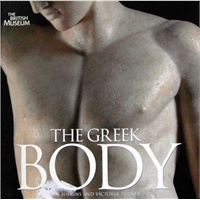
The ancient Greeks perceived the human body as an object of
sensory delight and its depiction as the expression of an
intelligent mind. This sumptuous photographic book explores ancient
Greek sculptures of the body from every angle. With an introduction
outlining the use of the body in Greek art from the prehistoric
simplicity of Cycladic figurines to the realism of the Hellenistic
age, seven thematic sections then feature stunning photographs of
close ups taken from the British Museum's outstanding collection of
marble, bronze and terracotta sculpture. The gods and heroes of
Greek religion and mythology are conceived in the image of mankind,
as supermen and superwomen, while other supernatural beings such as
centaurs and satyrs combine human with animal parts as symbols of
their otherworldliness. Human shape is also given to the inanimate
phenomena of nature, such as wind and moon, as well as intangible
human experiences such as sleep and death. A salient feature of
Greek art is human nudity, which was celebrated rather than
considered shameful. The great majority of female nudes that have
come down to us are representations of Aphrodite, goddess of erotic
love. In the Hellenistic age, Alexander's conquest and
Hellenisation of the people formerly included in the Persian empire
created a new and cosmopolitan world. Greek artists were made more
aware than ever before of the ethnic diversity of humanity and
delighted in representing and classifying humankind in all its
variety young and old, fat and thin, beautiful and ugly, freeborn
and slave, pauper and wealthy, able and disabled, moral and
immoral. The Hellenistic period, more than any previous, was also
truly an age of portraiture, reflected love in compelling and
unusual images.
|






 内容加载中,请稍后...


商品评论(0条)