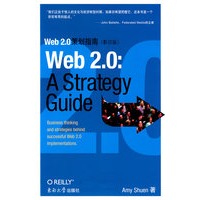
| 本书是讲述战略的。 书中的示例关注的是Web 2.0的效率,而不聚焦于技术。 你将了解到这样一个事实:创建Web 2.0业务或将Web 2.0战略整合到业务中,意味着创建一个吸引人们前来访问的在线站点,让人们愿意到这里来共享他们的思想、见闻和行动。 |
| Amy Shuen是一位国际公认的硅谷商业模式和创新经济方面的专家,曾多次在行业会议和风险投资活动中演讲,并在战略研究方面屡获殊荣。她曾执教于美国宾夕法尼亚大学的沃顿商学院、加州大学伯克利分校的哈斯商学院、圣荷西州立大学、中欧国际工商学院(CEIBS)、法国国立路桥大学、巴黎高科等多所院校,以教授MBA学员、专业技术人员和高级管理人员高科技创业、战略和风险融资方面的知识。 |
| Foreword Preface Chapter 1 Users Create Value Flickr and Collective User Value Six Ways Flickr Created User Value Through Interaction Why Sharing Can Be Profitable Flickr's Cost Drivers Calculating Company-Value Looking Back: Netflix's Different Challenges Lessons Learned Questions to Ask Chapter 2 Networks Multiply Effects Web-Enabled Online Network Effects N-Sided Markets Google's Combination of Network Effects The Ups and Downs of Positive Feedback Lessons Learned Questions to Ask Chapter 3 People Build Connections Social Roles: Online and Offline How Online Changes Social Networking How Many Customers and How Quickly? LinkedIn: The Rolodex Moves Online Facebook: Introduce Yourself Online Lessons Learned Questions to Ask Chapter 4 Companies Capitalize Competences External and Internal Forces Developing Dynamic Capabilities: Before the Web From Online Syndication to Competence Syndication Lessons Learned Questions to Ask Chapter 5 New Recombines with Old Styles of Innovation Integrating Ecosystems: Apple's iPod Working with the Carriers: Jajah More Recombinant Innovation: The iPhone Lessons Learned Questions to Ask Chapter 6 Businesses Incorporate Strategies Five Steps to Web 2.0 Building Web 2.0 Business Plans Look Around While Moving Forward End Notes Bibliography Index |


 内容加载中,请稍后...






商品评论(0条)