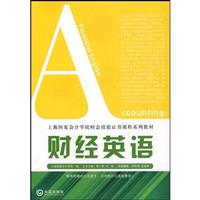
| Chapter 1 Decision Makers and the Financial Statements1.1 Understanding Decision Makers1.2 The Accounting System and Financial Statements1.3 The Balance Sheet1.4 The Income Statement1.5 Statement of Cash Flows1.6 Financial NotesStructure of the chapterReading materialKey itemsQuizReview questionsChapter 2 Conceptual Framework and Accounting Cycle2.1 The Conceptual Framework2.2 Nature of Business Transactions2.3 Accounts2.4 Principles of Transaction Analysis2.5 The Accounting Cycle2.6 Analytical Tool: The Journal EntryStructure of the chapterReading materialKey itemsQuizReview questionsChapter 3 Business Cycle and Income Statement3.1 Business Cycle3.2 Elements on the Income Statement3.3 Cash Basis Accounting3.4 Accrual Accounting3.5 The Matching Principle3.6 Expanded Transaction Analysis Model3.7 How are Financial Statements Prepared?Structure of the chapterReading materialKey itemsQuizReview questionsChapter 4 Revenue, Receivables and Cash4.1 Accounting for Sales Revenue4.2 Measuring and Reporting Receivables4.3 Accounting for Bad Debts4.4 Receivables Turnover4.5 Cash and Cash EquivalentsStructure of the chapterReading materialKey itemsQuizReview questionsChapter 5 Cost of Goods Sold and Inventories5.1 Understanding the Business5.2 Understanding Inventory5.3 Inventory Costing Methods5.4 Inventory Turnover5.5 Internal Control of Inventory5.6 Purchase Returns and Allowances, and Purchase DiscountsStructure of the chapterReading materialKey itemsQuizReview questionsChapter 6 Long-lived Assets6.1 Classifying Long-lived Assets6.2 Fixed Asset Turnover6.3 Measuring and Recording Acquisition Cost6.4 Repairs, Maintenance, and Additions6.5 Depreciation6.6 Disposal of Property, Plant, and Equipment6.7 Natural Resources6.8 Intangible AssetsStructure of the chapterReading materialKey itemsQuizReview questionsChapter 7 Bonds and Equity Investments7.1 Types of Investments7.2 Accounting Methods7.3 Debt Held-to-maturity: Amortized Cost Method7.4 Passive Investments: The Market Value Method7.5 Investments for Significant Influence: Equity Method7.6 Controlling Interests: Mergers and Acquisitions7.7 Key Ratio AnalysisStructure of the chapterReading materialKey itemsQuizReview questionsChapter 8 Liabilities8.1 Liabilities Defined and Classified8.2 Current Liabilities8.3 Long-term LiabilitiesStructure of the chapterReading materialKey itemsQuizReview questionsChapter 9 Statement of Cash Flows9.1 Classifications of the Statement of Cash Flows9.2 Cash Flows from Operating Activities9.3 Cash Flows from Investing and Financing Activities9.4 Additional Cash Flow Disclosures and Key IndicatorsStructure of the chapterReading materialKey itemsReview questionsChapter 10 Financial Statement Analysis10.1 Financial Statement Analysis10.2 Ratio and Percentage Analysis10.3 Market TestsStructure of the chapterReading materialKey itemsQuizReview questionsChapter 11 Auditing and Internal Control11.1 The Role of Auditing11.2 Fundamental Concepts in Conducting a Financial Statement Audit11.3 Audit Reporting11.4 Internal Control11.5 Elements of Internal ControlStructure of the chapterReading materialKey itemsQuizReview questionsChapter 12 Principle of Corporate Finance12.1 What is Corporate Finance12.2 The Firm and the Financial Markets12.3 Future Value12.4 Present Value12.5 Net Present Value12.6 Simplifications12.7 What Is a Firm Worth?12.8 Common Stock12.9 Long-term Debt12.10 Summary and ConclusionsStructure of the chapterReading materialKey itemsQuizReview questionsMock Exam PaperAnswersReferencesIndex of Key Items |
 内容加载中,请稍后...







商品评论(0条)