H.G. Wells
H.G. Wells (born Sept. 21, 1866, Bromley, Kent,
Eng.-died Aug. 13, 1946, London) English novelist, journalist,
sociologist, and historian. While studying science under T.H.
Huxley in London, Wells formulated a romantic conception of the
subject that would inspire the inventive and influential
science-fiction and fantasy novels for which he is best known,
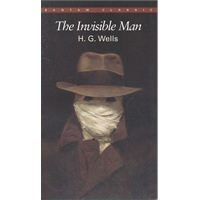
including the epochal The Time Machine (1895), The Invisible Man
(1897), and The War of the Worlds (1898). He simultaneously took on
a public role as an agitator for progressive causes, including the
League of Nations. He later abandoned science fiction and drew on
memories of his lower-middle-class early life in works including
the novel Tono-Bungay (1908) and the comic The History of Mr. Polly
(1910). He had a 10-year affair with the young Rebecca West. World
War I shook his faith in human progress, prompting him to promote
popular education through nonfiction works including The Outline of
History (1920). The Shape of Things to Come (1933) was an
antifascist warning. Though a sense of humour reappears in
Experiment in Autobiography (1934), most of his late works reveal a
pessimistic, even bitter outlook.
|




 内容加载中,请稍后...





商品评论(0条)