最 低 价:¥227.20

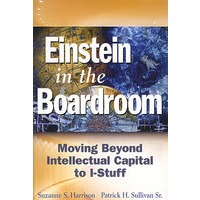
| 作者简介: SUZANNE S. HARRISON is a cofounder of ICMG, LLC, and facilitator of the ICM Gathering and the IP Forum. She is the coauthor of the bestselling Edison in the Boardroom, as well a contributor to The LESI Guide to Licensing Best Practices, Technology Licensing, and Profiting from Intellectual Capital, all published by Wiley. |
| Acknowledgments. Author's Foreword. 1. Introduction to I-Stuff. What Are Intangibles? The Impact of Intangibles on Organizations. A Brief History. 2. The Einstein Value Strip. The Difference between I-Stuff and IP. I-Stuff Management Activities. The Einstein Value Strip. 3. Building a Portfolio of I-Stuff. What Building Stripe Companies Are Trying to Accomplish. Best Practices for the Building Stripe. Conclusion: Beyond Building. 4. Leveraging the Portfolio of I-Stuff. What Companies on the Leveraging Stripe Are Trying to Accomplish. How Companies Leverage Their I-stuff. Best Practices for the Leveraging Stripe. Developing a brand management capability. Developing a corporate brand. Extracting value from the brand. Conclusion: Beyond Leveraging. 5. Integrating the Portfolio of I-Stuff. What Integrating Stripe Companies Are Trying to Accomplish. I-Stuff Strategies. Managing across Organizational Boundaries. Measuring the Value of Intangibles. Best Practices for the Integrating Stripe. Conclusion: Beyond Integrating. 6. Sustaining the Corporation through I-Stuff. What Is Sustainability? The Characteristics of Sustainable Corporations. Why Are Stakeholders Important? Sustainability and I-stuff Reporting. What Sustaining Stripe Companies Are Trying to Accomplish. Best Practices for the “Sustaining” Stripe. Conclusion: Beyond Sustainability. 7. Proctor & Gamble Progressing Beyond IP. Changing a Corporate Culture. The Promise of Intellectual Assets. Moving the Technology Forward. “Connect and Develop”. Mining Know How. Reliability Engineering. The Value of Employees. Appendix A: How Countries and Regions ae Helping Their Companies Create Value from Intellectual Capital. Introduction. Consequences of the Knowledge-Based Economy. The Role for Regions and Countries. Snapshots of Some Countries that Have Invested in ICM. Future Roles for Governments. Appendix B: The I-Stuff Value Matrix. Defensive Value. Offensive Value. Revenue-Generating Value. Cost-Avoidance Value. Strategic Positioning Value. Appendix C: Updating the Concept of Complementary Business Assets. A Decade of Working with CBAs. Ideas Alone Are Not Enough. Conclusions. Appendix D: Updating the Concept of a Business Model. Introduction. The Academic Literature. The Business Literature. The ICM Gathering View. Business Models—A Working Definition. A Business Model Engine. Creating a Business Model. Business Model Implications for I-Stuff. Appendix E: New Concepts in Measuring Value. The Inherent Limitations of Traditional Accounting Measurement. Innovations in Value and Performance Measurement. Measurement Concepts. Measurement Criteria Appendix F: Creating an I-Stuff Strategy. Step One: Create A Statement of Mission. Step Two: What Is A Strategic Vision? Step Three: Outline the Corporate Business Strategy. Step Four: Identify the kinds of value the Organization’s I-stuff can Provide. Step Five: Outline, discuss, and finalize the Organization’s I- stuff Strategy. Index. |

 内容加载中,请稍后...


商品评论(0条)